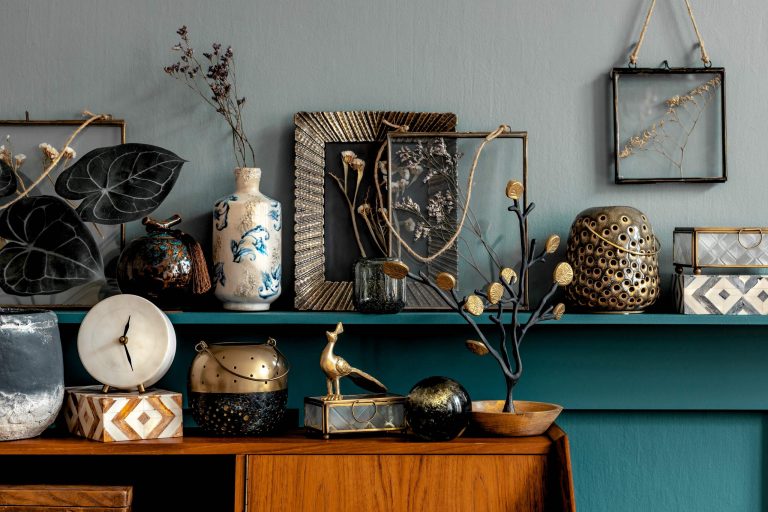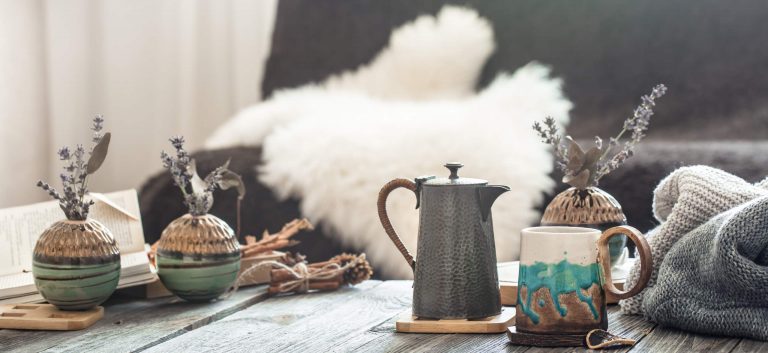
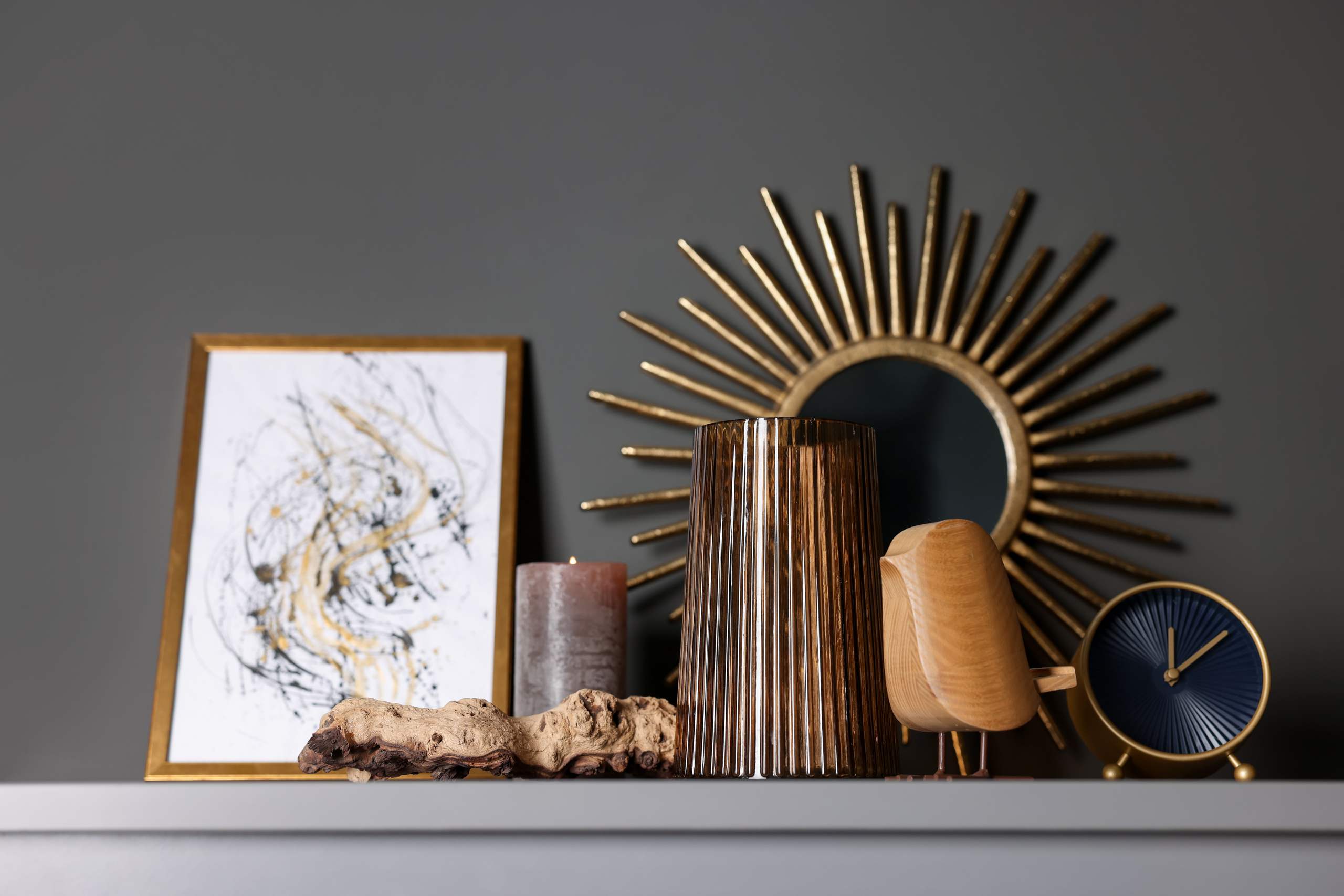
Selecting a colour scheme for your home can feel daunting. There are thousands of colours to choose from, and a colour that looks amazing in one room might not suit another.
The trick is to stop picking colours separately and think about them in combination. The right colour scheme can make a room feel calmer, more uplifting, cozier, or larger, without having to redo the whole place.
First, Look at the Room
Rather than focusing on a wall colour, sofa, or rug, look at what is already there.
How big is the room? How much natural light does it get? What is the floor made of? What furniture and accessories do you already have? Are there items you want to keep? All of these elements already include colour.
For instance, if you have a warm timber floor, then you could choose to go for beige, cream, terracotta, or another warm colour. If you have a cooler floor colour, perhaps you would prefer to select softer greys, blues, or muted greens.
Pick a Primary Colour
Your primary colour will make up the biggest portion of the colour palette in your room.
It doesn’t have to be white. Soft beige, warm grey, muted green, light blue, and similar shades all work as primary colours.
Which shade is best depends on the vibe you want to achieve and the level of natural light you get. A dark primary colour might make a large room feel cozier, whereas lighter tones can make a smaller room feel brighter and more open.
Choose a Secondary Colour
Once you’ve picked a primary colour, pick a secondary colour. This can add extra interest to your room and be used for furniture, curtains, carpet, cushions, paintings, or other larger items.
The secondary colour doesn’t have to match the primary colour. The most important thing is to select a colour that creates a sense of harmony.
If you’re going for a calm interior, then try to pick shades that aren’t too far apart. If you want a more exciting room, then you can choose colours that contrast more strongly.
Choose an Accent Colour
An accent colour will make up only a small part of the room.
You can use it for objects, art, cushions, plants, books, etc. Because the accent colour takes up a smaller area, you have more freedom with it.
If your room is very neutral, a deep blue, muted red, olive green, or burnt orange might add some character to the room without being too overpowering.
Don’t feel like you need to spread the accent colour throughout the room. Using it sparingly in a few places may be enough.
Try the 60–30–10 Rule
A useful way of thinking about colour is the 60–30–10 rule.
The idea is that:
- 60% of the room is a dominant colour.
- 30% is a secondary colour.
- 10% is an accent colour.
These figures don’t need to be precise. They just make it much easier to achieve a balanced look.
The walls or a big piece of furniture might be the main colour, while a rug, curtains or sofa upholstery might be the secondary colour. Smaller items like cushions and ornaments can be the accent.
Think about the natural light
Colours can look very different depending on the time of day.
A warm-looking colour in the morning might be cooler by the afternoon. It can also change again with the lighting you use in the evening.
So if you’re choosing a wall colour, try it out first on the wall itself. See how it looks in the morning, during the day and then in the evening when you’re normally using the room.
Remember that there’s more than paint
Colours aren’t just about paint.
There’s wood, linen, wool, stone, ceramics, metals and glass that can add to the colour scheme of the room. Even if several items share a similar colour, they can look completely different depending on their texture. That means you can avoid having a flat look.
For instance, a beige sofa, a patterned rug, some wooden furniture and some ceramic accessories can all be in similar colours but won’t look the same, meaning you can get away with fewer colours overall.
Repeat the colours throughout the room
It will help if the colours are used more than once.
Say you’ve got a greeny cushion, try to find another accessory, such as a picture or a plant pot, that has the same colour in it.
It makes the room feel more unified and less like you’ve added a few things at random.
There’s no need to choose everything straight away
You don’t have to choose all of the colours before you start decorating.
Start with the biggest items, then build up from there. This will help you figure out what the room needs more. If you’ve got a sofa you like, or flooring, or a piece of art, keep them rather than having to remove everything and start from scratch.
How to build your colour palette
If you’re not sure where to start, pick something you like that’s already in your home.
It could be a picture, a rug, a chair, or even a photograph on your phone. Find two or three colours in it, and those can become the main, secondary and accent colours for the room.
Then you can pick a neutral colour for the rest of the room.
It gives you somewhere to start, but you’ll still be able to make other decisions along the way.
Final thoughts
A good colour scheme doesn’t need to have lots of different shades.
In fact, it can be more effective to have just a few well-chosen colours than lots that don’t really work together. Try looking at the room as a whole. Think about the natural and artificial light, and the different textures involved. Look to see where you can repeat certain colours. Most importantly, think about the kind of atmosphere you want. Trends can be helpful, but your home should look the way you want it to look.