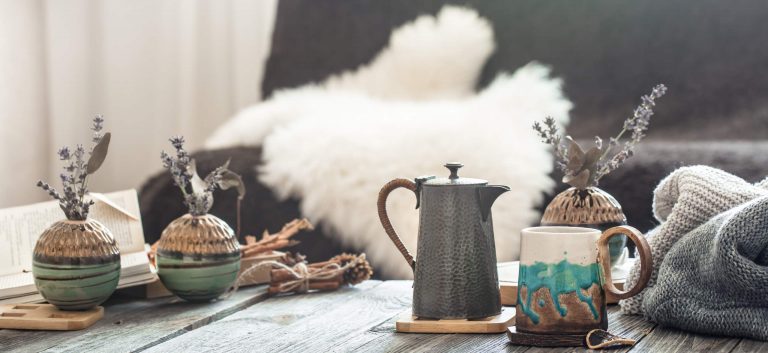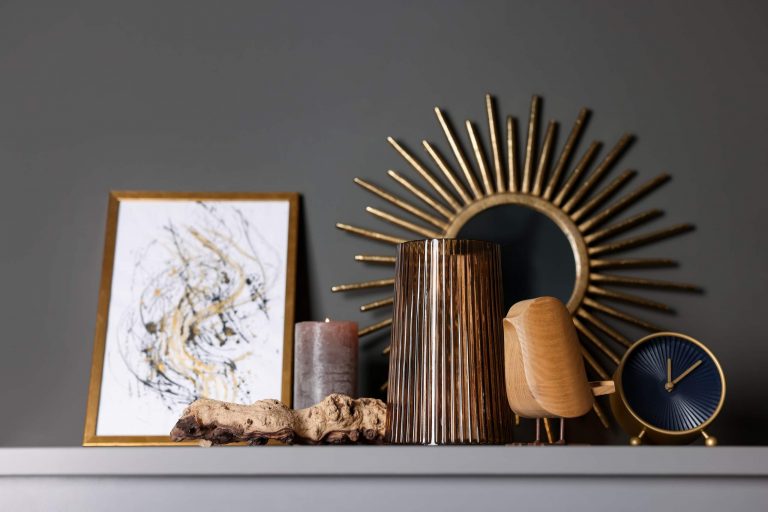
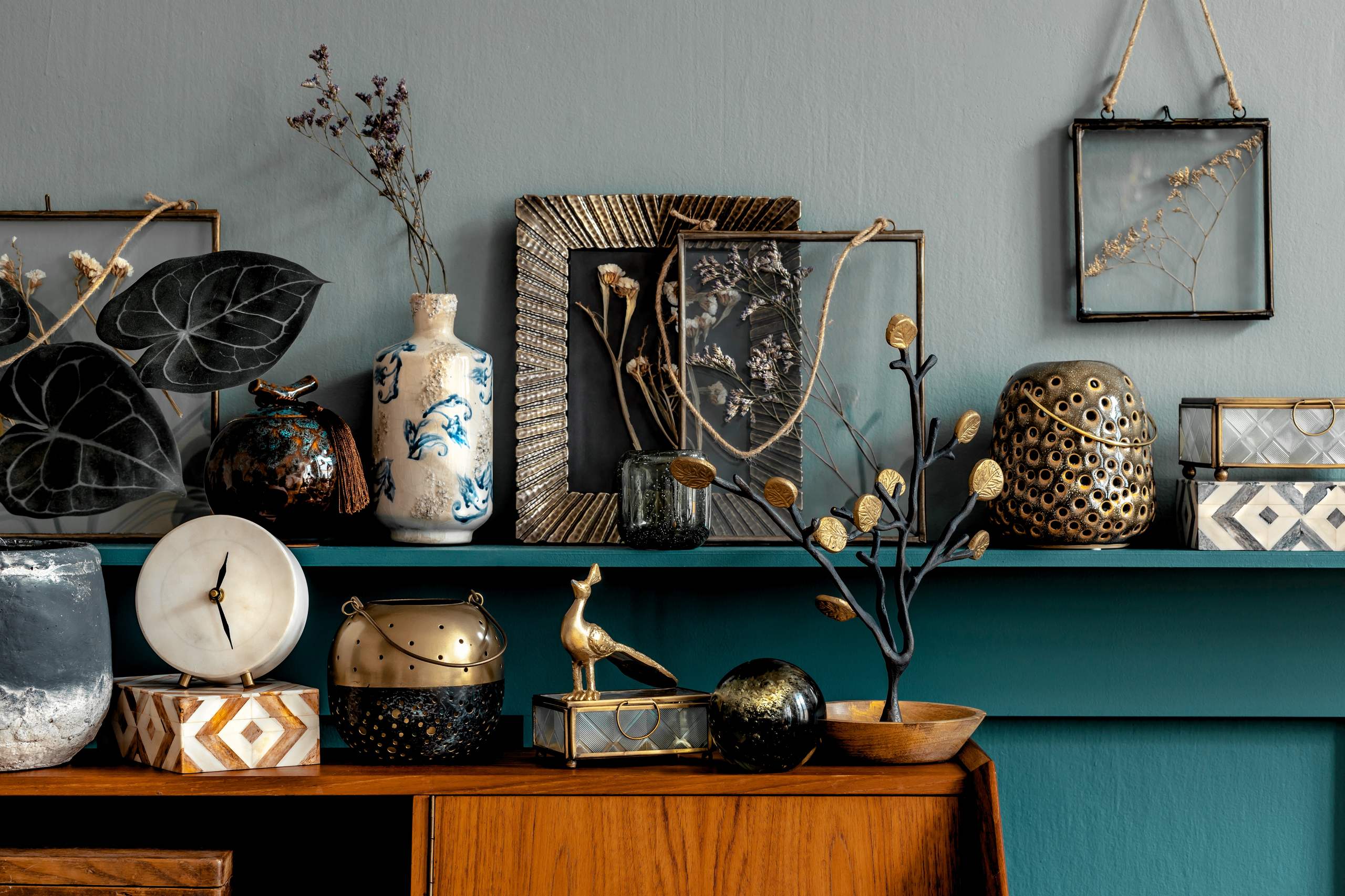
By incorporating various interior styles into one room, you can achieve a home that appears unique and curated. Modern furniture can mix well with vintage finds, natural materials can offset contemporary aesthetics, and classic architectural details can liven up a spartan room. The key is to find a common link between them. If there is no obvious link, then your room may appear randomly selected and confusing.
Select One Dominant Style
Begin by deciding what style should be the most prominent in the room.
That is not to say that every item in the room must fit the chosen style. You can simply select one style as the base of the design and bring in accents from other styles. For instance, a contemporary living room can still include a rustic wooden cupboard or an antique light fixture without looking like a classical interior.
Choosing a dominant style helps to establish a framework for the room.
Identify a Shared Feature
When different styles have a common feature, it is much easier to merge them.
Consider these similarities:
- Color
- Material
- Form
- Size
- Finish
A modern couch and a classical dining table may seem quite different, but they can be compatible if they have a shared color scheme or scale.
The point here is not to make everything look alike. Rather, you want to create a relationship between the pieces.
Restrict the Range of Colors
Color is a quick way to unify furniture of varying styles.
When you are combining a variety of styles, try to keep the general color scheme fairly restrained. Walls and larger items can be neutral, while accessories can introduce bolder hues.
For example, wood tones, beige, dark green, and black can serve as a unifying theme even when the furniture is from disparate eras.
Combine Materials Carefully
The use of different materials can enrich a room, but introducing too many competing materials can result in a cluttered atmosphere.
Try adding two or three contrasting materials.
Glossy surfaces can be offset by natural wood. Upholstery can pair well with metal or marble. Non-reflective finishes can complement glass or shiny surfaces.
Consider both the appearance and feel of the materials.
Watch for Proportions
Different styles can be combined if the items are well-proportioned.
A tiny accent chair might get lost beside an enormous couch, whereas a massive antique armoire could overwhelm a room of slender furniture.
Check the height, width, and visual mass of your furniture.
You do not need everything to be the same scale, but the dimensions should feel considered.
Recur Key Features
A recurring feature can tie different styles together.
If you have a black metal coffee table, you might add black to a lamp, picture frame, or vase.
If natural wood is a key feature, introduce it in multiple places in the room.
Repeating a material or color creates links that help make an eclectic interior feel more unified.
Make Use of Contrast
Contrast is what makes mixed-style interiors such a compelling subject. Contrast between a sleek, modern chair and an antique wooden desk, for instance, can add visual interest and personality to a space. Similarly, hanging a classic piece of art above a minimalist sofa can achieve a similar result.
But contrast should always be purposeful.
Think about why you are placing two pieces that have such different aesthetics together. If you can articulate a reason for doing so, it is more likely to be perceived as a conscious choice than an accidental mismatch.
Steer Clear of the “I Just Like It” Approach
One of the hardest parts of decorating is figuring out when you’ve done enough.
You might love Scandinavian furniture, industrial lighting, vintage decor, bold colors and traditional textiles. But that doesn’t mean they all have to live in the same room.
Decide which items best support the ambiance you’re going for and save the rest for a different room.
While your whole house can encompass multiple styles, you don’t have to cram them all into each room.
Allow Statement Pieces to Shine
If you have an exceptional piece of furniture or art, let it stand out on its own.
Cluttering the surrounding area with other objects of similar prominence will dilute its effect.
Sometimes, a minimalist backdrop can help a unique object seem more purposeful.
Leave Room for Negative Space
Empty space plays an essential role when mixing decor styles.
In a room filled with furniture from various eras or ornamental details of varying shapes, leaving blank spots can keep the overall look from feeling cluttered.
You don’t need to fill every shelf, niche or alcove.
Leaving a bit of room to breathe can help each element shine.
Look at the Big Picture
When mixing styles, try not to evaluate individual items on their own merits.
Instead, zoom out and look at the overall composition of the space. Step back, take a photo from the entrance or somewhere else where you can see most of the room.
Then, ask yourself:
- Does the room have a clear center of attention?
- Do the colors harmonize with one another?
- Are there certain areas that appear more busy than others?
- Are there too many prominent features?
- Do the different styles seem to work together?
If you notice anything that appears out of sync, move it around first before deciding to get rid of it.
Allow Your Home to Change Over Time
An expertly designed house doesn’t have to look completely put-together right away.
Many of the most fascinating interiors have evolved slowly, as their owners added to their collections of furniture, art, books and accessories over the years.
Rather than striving to achieve an impeccable blend of styles in one go, allow yourself time to determine what looks best in the space.
Retain the things you care about and think about how you can arrange them to create a cohesive whole.
The Bottom Line
The key to combining multiple design styles isn’t a set of strict rules but rather the creation of visual continuity.
Select a primary style, incorporate a unified color scheme, repeat textures or motifs and maintain proper proportions. Make use of contrast in a deliberate manner and include ample negative space.
Your house doesn’t have to fit neatly into one style box. When you bring different elements together in a meaningful way, mixing styles can lend an interior a sense of personality, depth and distinctiveness.